Five Keys to Develop Corporate Teams with Simulation Training
Did you know?
Did you know? According to LinkedIn’s 2024 Workplace Learning Report, 87% of companies believe strong teamwork is vital for success — yet fewer than half provide proper training for it.
That’s where simulation training steps in!
What Is Simulation Training (and Why Does It Matter)?
Simulation training means learning by doing instead of just reading or listening.
It uses real workplace situations — such as managing a last-minute project, handling customer complaints, or solving a system issue — in a safe and controlled environment.
Rather than talking about what to do, employees actually practise doing it.
This helps them:
Think clearly under pressure
Improve teamwork and communication
Make smarter, faster decisions
Studies show that people remember around 75% more when they learn through experience instead of lectures or slides.
A Step-by-Step Guide to Developing Stronger Corporate Teams
Here are 5 steps to successfully develop corporate teams through simulation training.
Create Real-Life Work Scenarios
To prepare teams properly, the simulations must feel real.
For example, a team might face a sudden deadline crisis or an unexpected change in company policy.
By working through these challenges during training, employees learn how to:
Stay calm under stress
Solve problems together
Adapt quickly when things go wrong
💡 Did you know? Companies using realistic simulation training report a 35% rise in employee engagement (Forbes Learning Insights, 2024).

2. Enhancing Decision-Making
In today’s fast-moving business world, making quick and correct decisions is essential.
During simulations, teams must analyse the situation, agree on a plan, and act fast — just as they would in real life.
This kind of practice helps them:
Strengthen their judgement
Build confidence in their choices
Learn safely from their mistakes
Each session boosts their focus and mental agility — valuable skills for every professional.
3. Strengthening Team Collaboration
No company succeeds without good teamwork.
Simulation training helps people understand how their colleagues think and communicate, which builds trust and cooperation.
Each participant takes on a specific role — for example, a project lead, marketer, or client representative — and together, they solve real-style business problems.
It’s engaging, challenging, and deeply rewarding.
Teams that train together like this show a 40% improvement in communication and trust, according to Gallup’s 2023 Workplace Study.

Corporate team engaging in a collaborative discussion, sharing ideas and strategies to enhance teamwork and achieve common goals.
4. Develop Leadership Skills
Great leaders aren’t born — they’re built through experience.
Simulation training allows people to step into leadership roles and face realistic challenges before they happen in the workplace.
They learn to:
Guide teams through tough situations
Handle disagreements fairly
Make sound, strategic decisions
It also helps organisations identify future leaders based on how individuals perform under pressure.
5. See Real Results in Team Performance
When strong decision-making, teamwork, and leadership come together, the results are clear.
Simulation training helps employees feel more confident, capable, and connected to their company’s goals.
Research shows that businesses using simulation-based learning experience:
30% faster problem-solving
25% stronger overall team performance
Higher staff satisfaction and retention
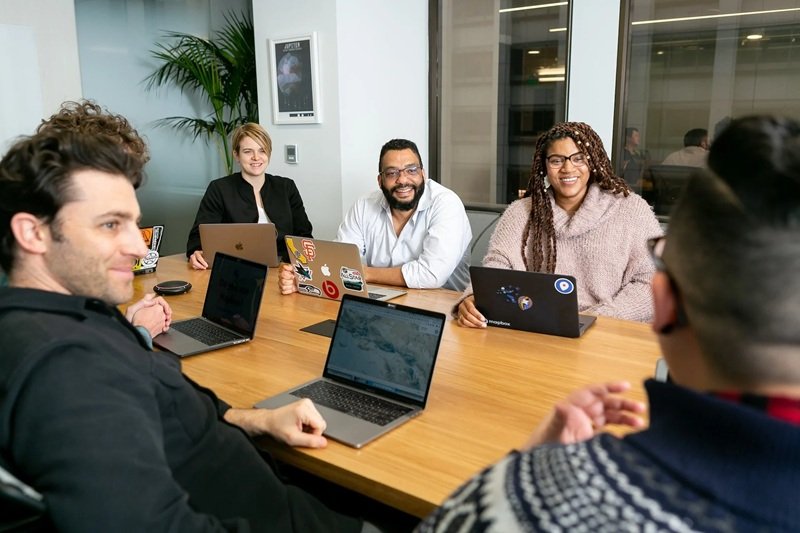
A team leader engaging the group in a collaborative discussion, fostering confidence, strategic thinking, and effective team performance.
Final Thoughts
Simulation training isn’t just another training tool — it’s a way to turn teams into real problem-solvers.
By learning through experience, corporate teams become more adaptable, more collaborative, and better prepared for the challenges of modern business.
Ready to transform your corporate team? Experience it firsthand with Sidestream’s immersive experiential learning programs. Book a free call today or contact our team now.
